EN PLEIN AIR
The Barbizon School and the Macchiaioli influenced the Impressionists, who emerged in France in the 1860s and held their first show in 1874. Rejecting academic traditions, Impressionists like Monet and Pissarro focused on modern life and sought to depict the effects of atmosphere through the science of color and light, often painting outdoors in brief sessions.
In America, the Hudson River School (1830s–1900s) showcased western expansion and wild landscapes, led by Thomas Cole and Asher Brown Durand, followed by artists like Church, Hill, Bierstadt, and Keith.
American Impressionism (1870s–1920s) blended academic training with Impressionist techniques, featuring artists such as Enniking, Hassam, and Cassatt, and was characterized by spontaneous brushwork and a lighter palette. Some, like Sargent and Chase, defied easy categorization.
From the 1920s to 2000, outdoor painters in the U.S. freely chose styles reflecting their own beliefs, with notable figures including Rungius, Payne, and Carlson.
Contemporary artists have revived outdoor painting, ushering in a new golden age inspired by past traditions.
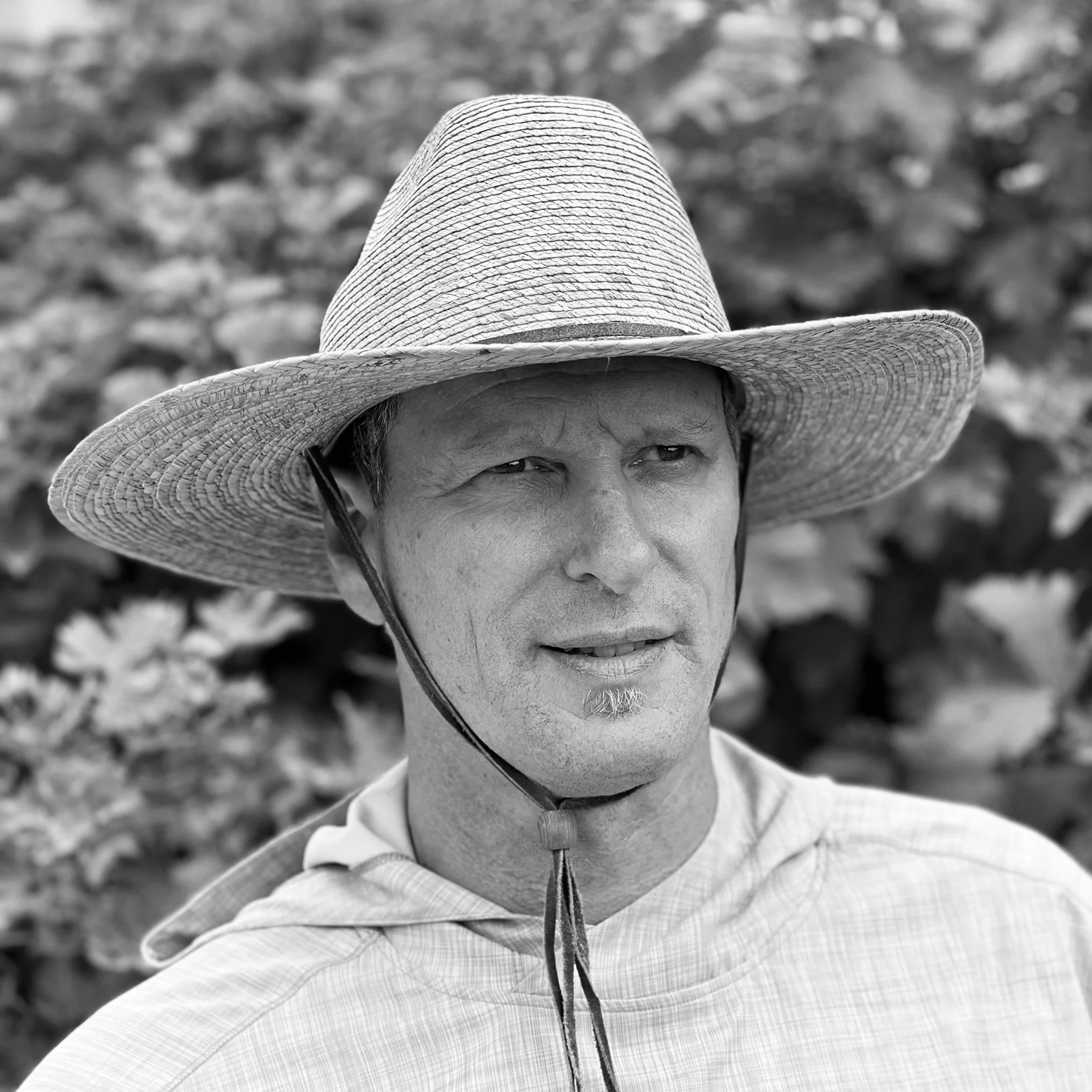
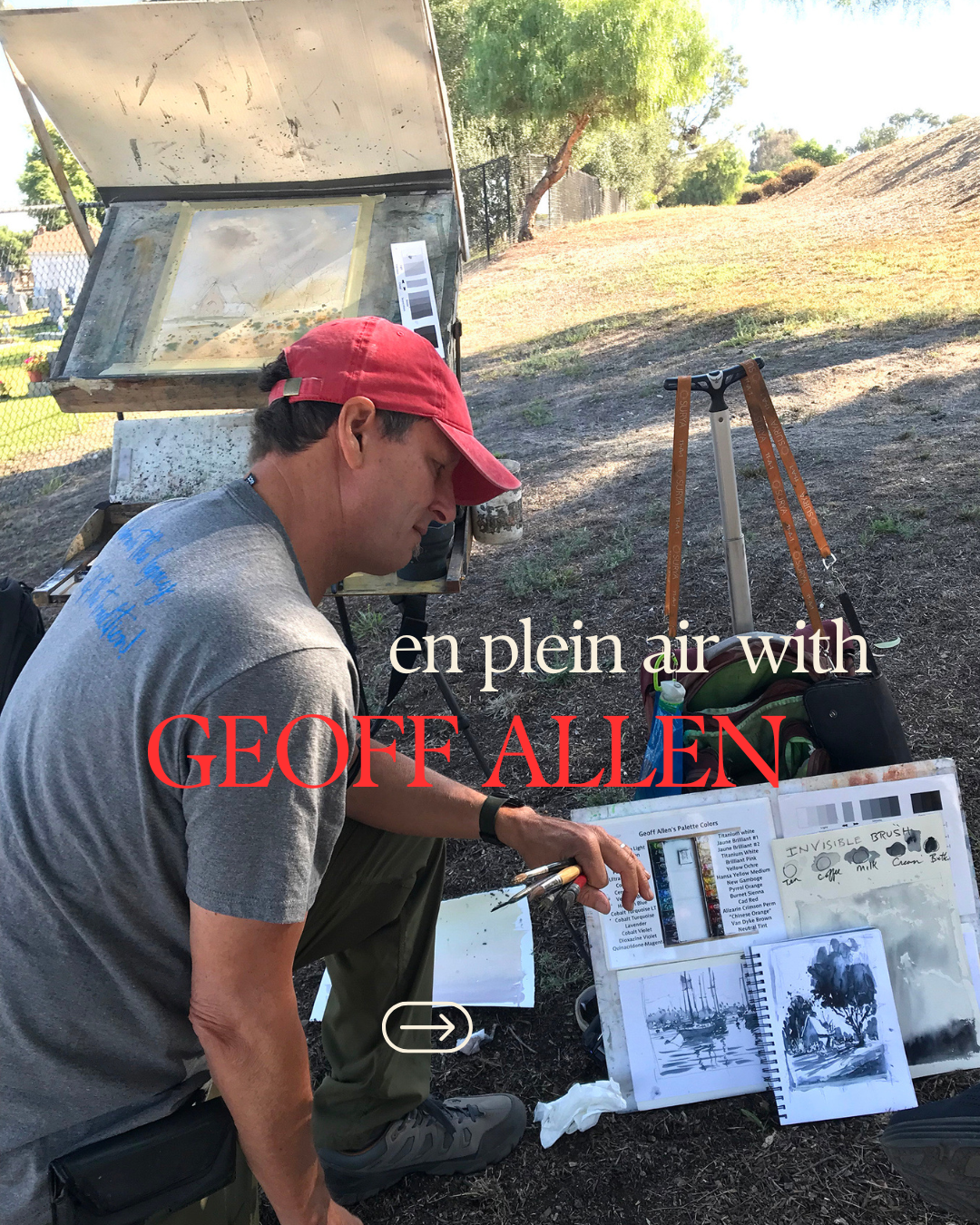
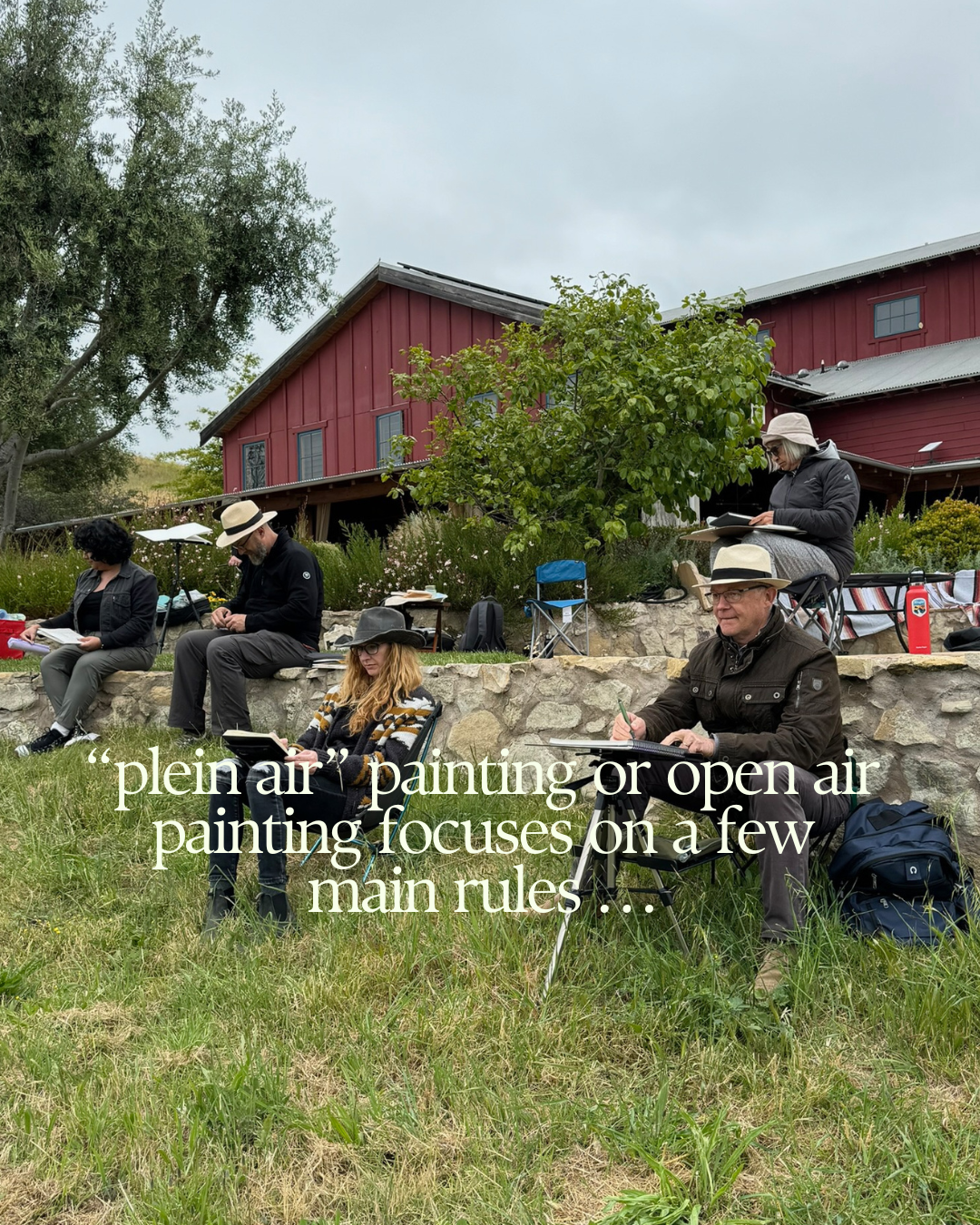
Masters of plein air painting, such as the highly awarded Geoffrey Allen, focus on 5 main rules that serve as a helpful roadmap for any artist diving into this historic medium and unique skill set. A core value of open-air painting is capturing the essence of the moment, not photographic detail, while adapting to your surroundings and finding artistic flow.
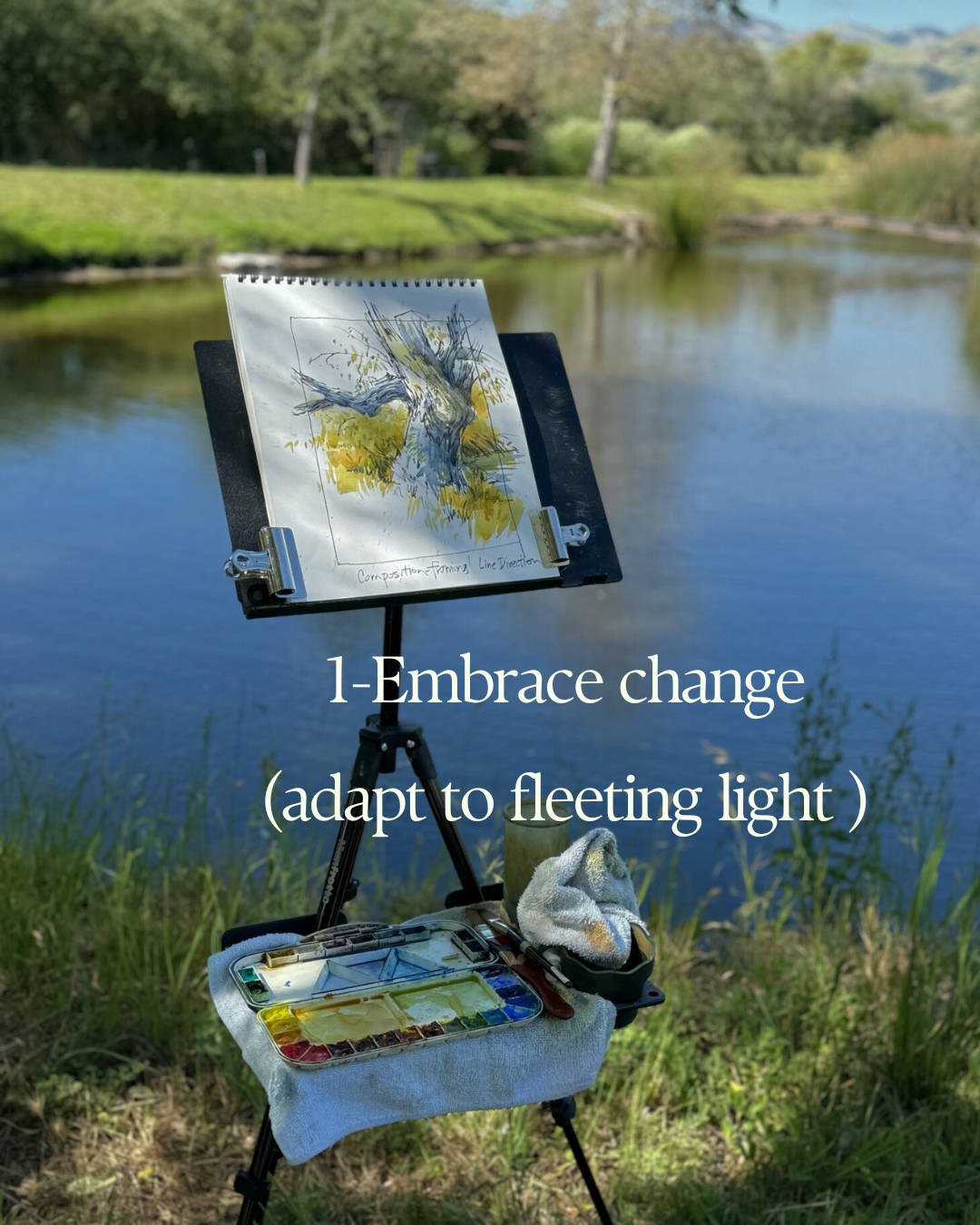
Embrace Change (light shifts fast, so work quickly),
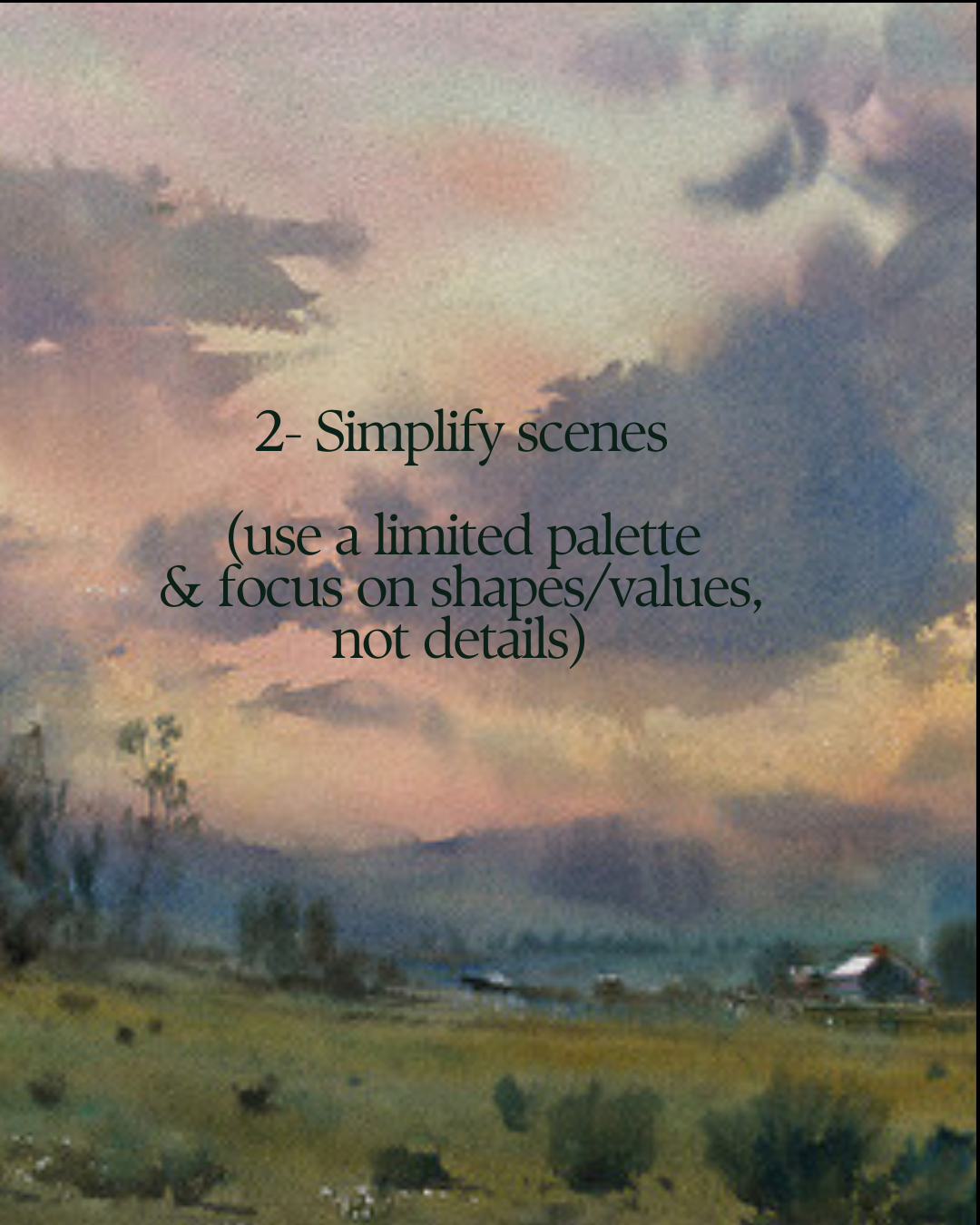
Simplify (limited palette, focus on shapes/values, not details),
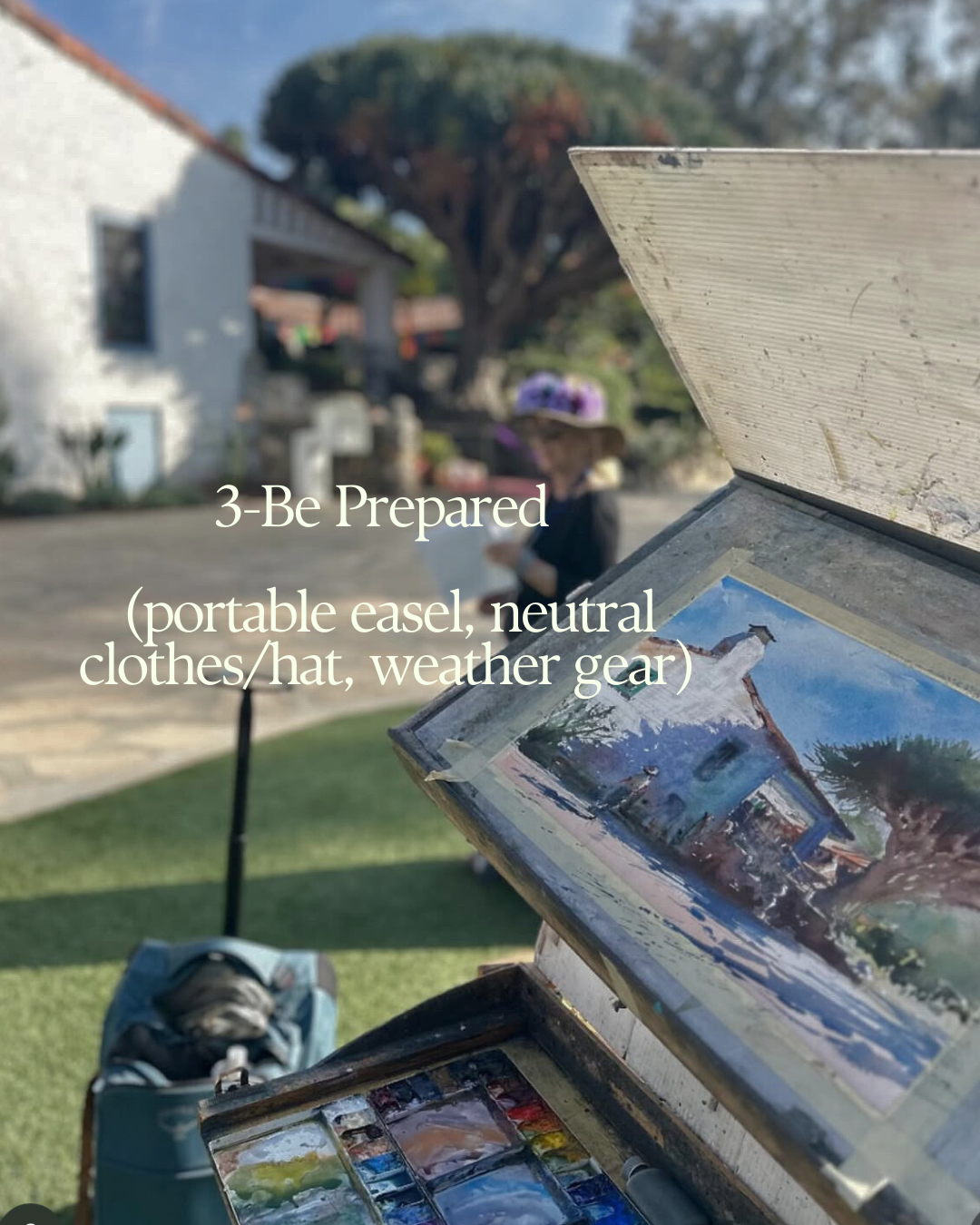
Be Prepared (use a portable easel, wear neutral clothes a sun hat and weather gear),
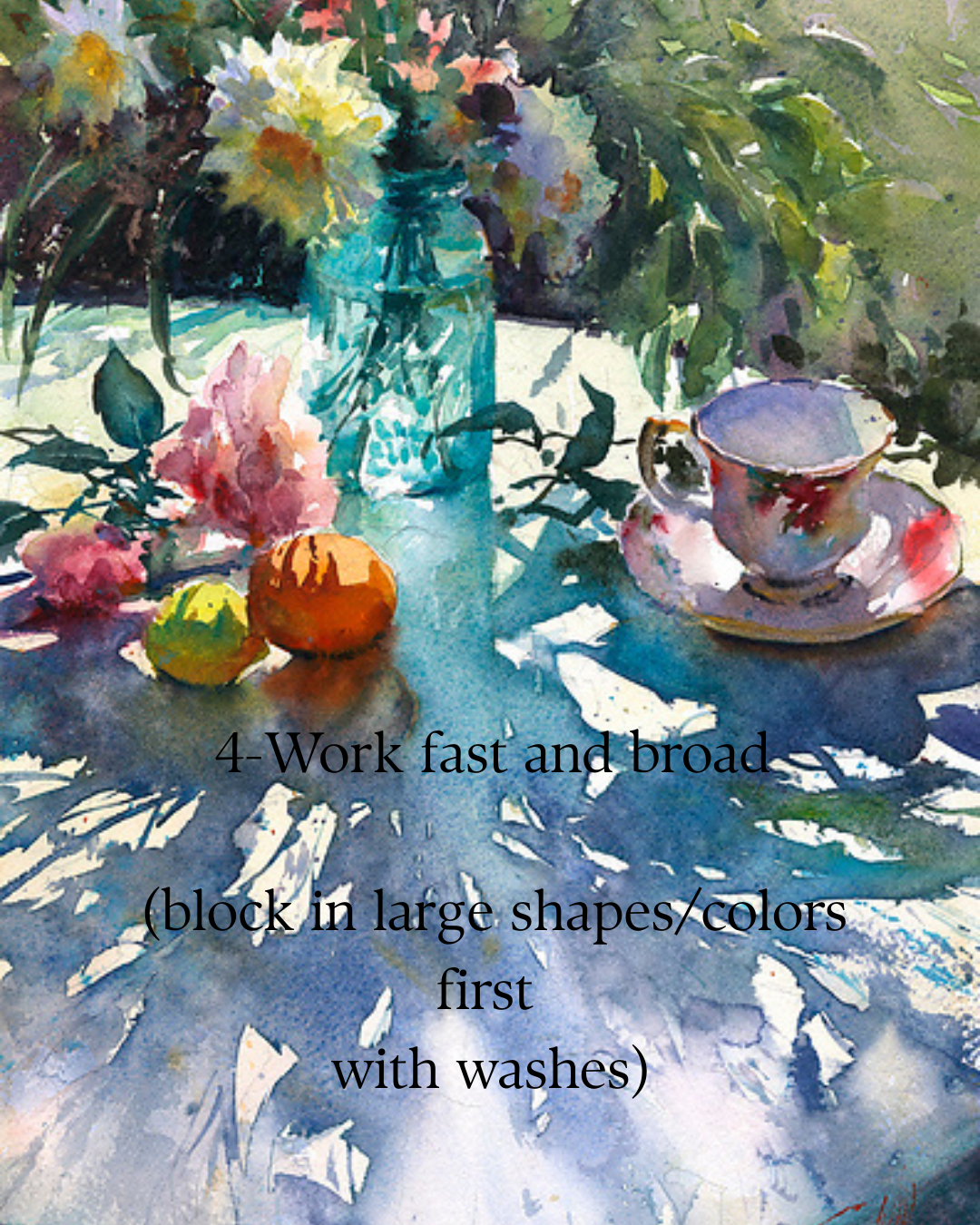
Work fast and broadly (block in large shapes/colors first with washes)
And lastly, don't overwork (stop before muddying it up).
His recent exhibitions include Impressionist Society National Juried Exhibition, and Rockport Association, and Art Museum. Geoff says,
“Watercolor echoes this idea of immediacy and nature. I find that watercolor is both a medium and a metaphor, and at times both a blessing and a curse. I love that aspect of art making- when something is slightly out of my control and a challenge. It allows me to feel that I am playing with mysterious forces beyond my own understanding.”
Allen appreciates the plein air practice for its limitations and contrast with the studio, where artists practice, plan, and evaluate art with less time constraint.
“However, in plein air practice, we become vulnerable to time and the whims of nature, and we interact within a social environment. This adversity, though, is necessary to encounter the primary source of the subject (nature) and reality, to experience the territory”.
You can catch Geoff Allen amidst his very busy schedule for a 4-day workshop in our first painting workshop of the year, April 17-20; Capturing the Moment in Watercolor.