Three Generations of the Bay Area Figurative movement
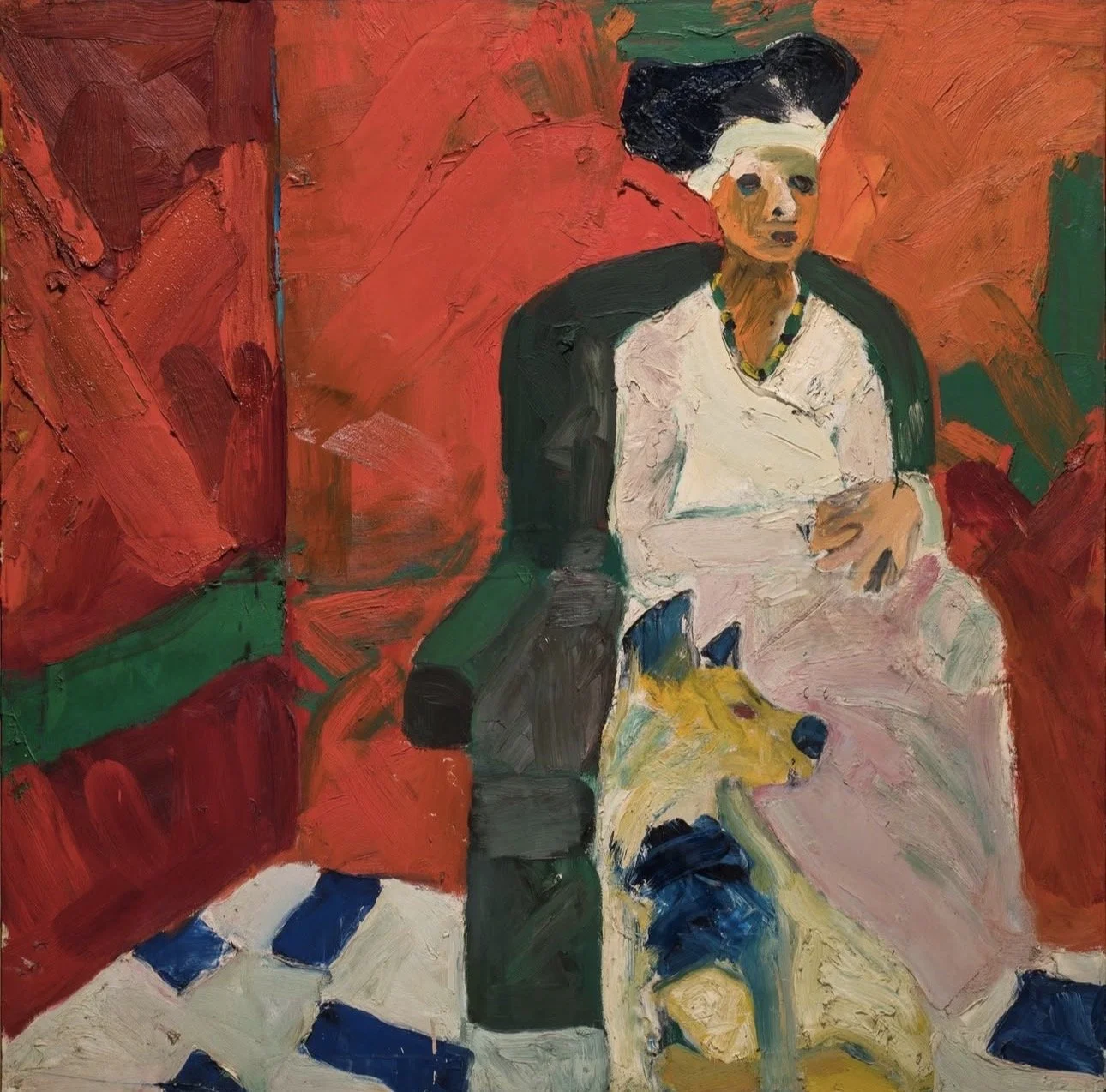
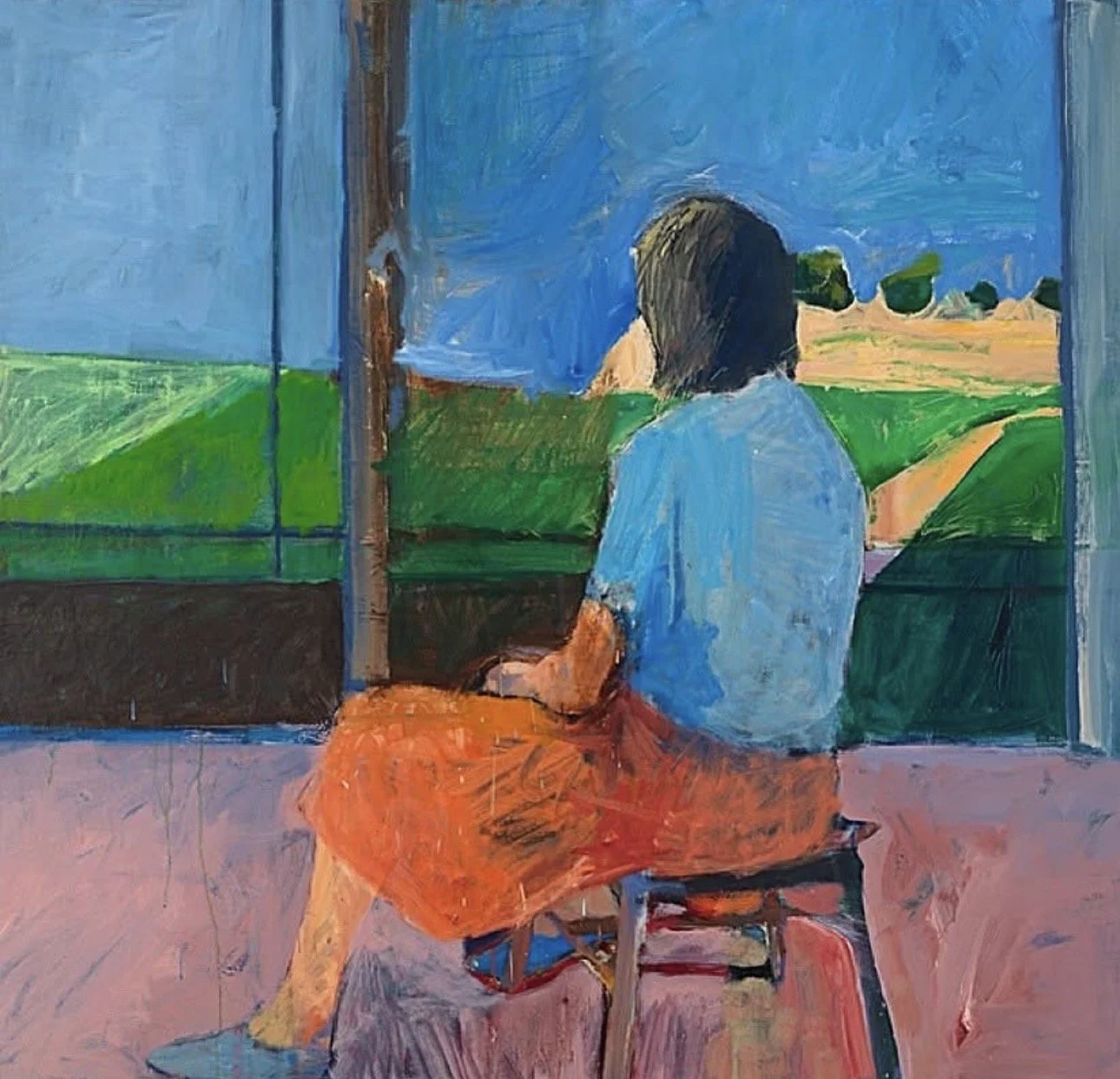
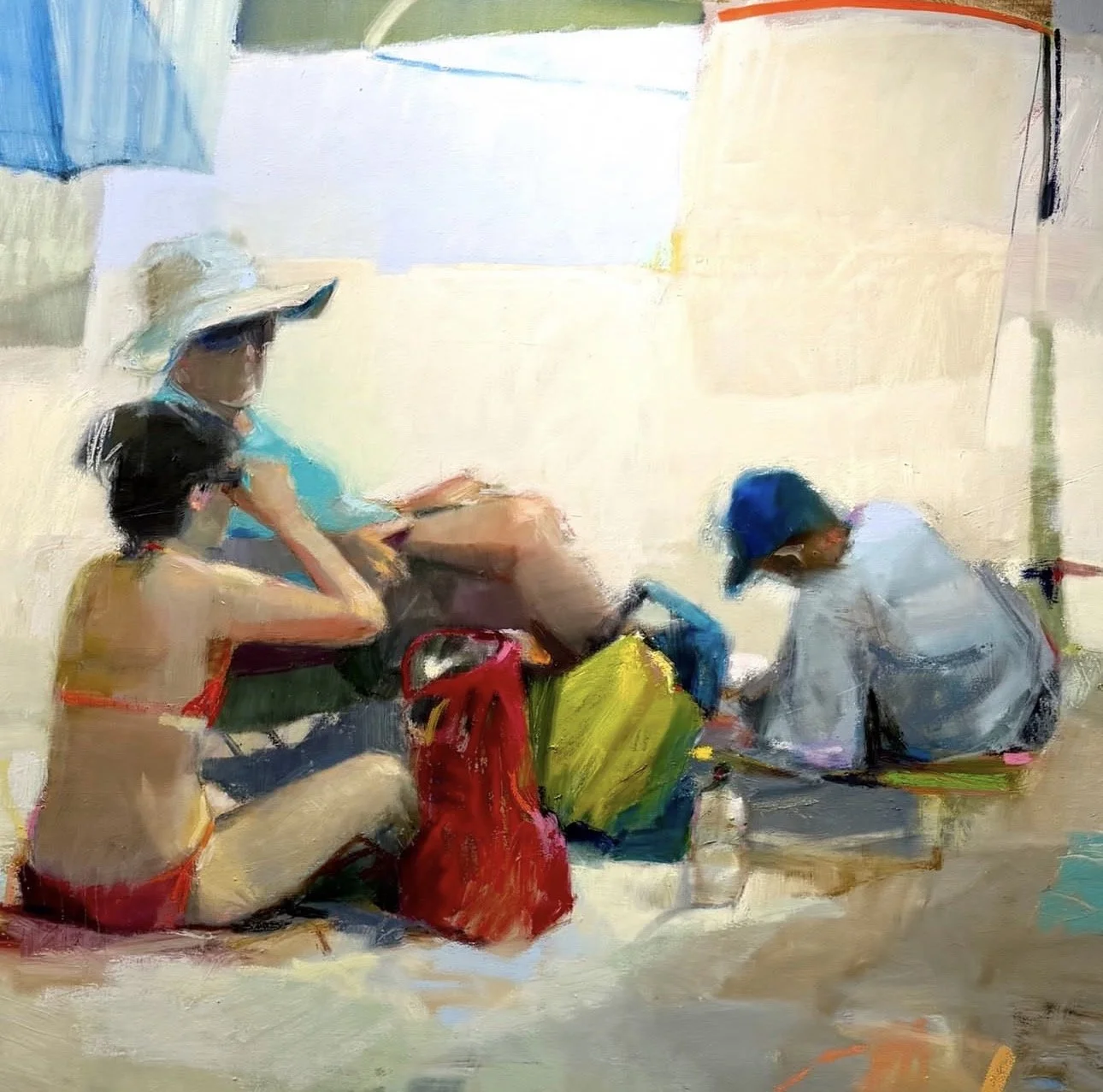
Joan Brown’s “Nun with Staffordshire Terrier" (1961)
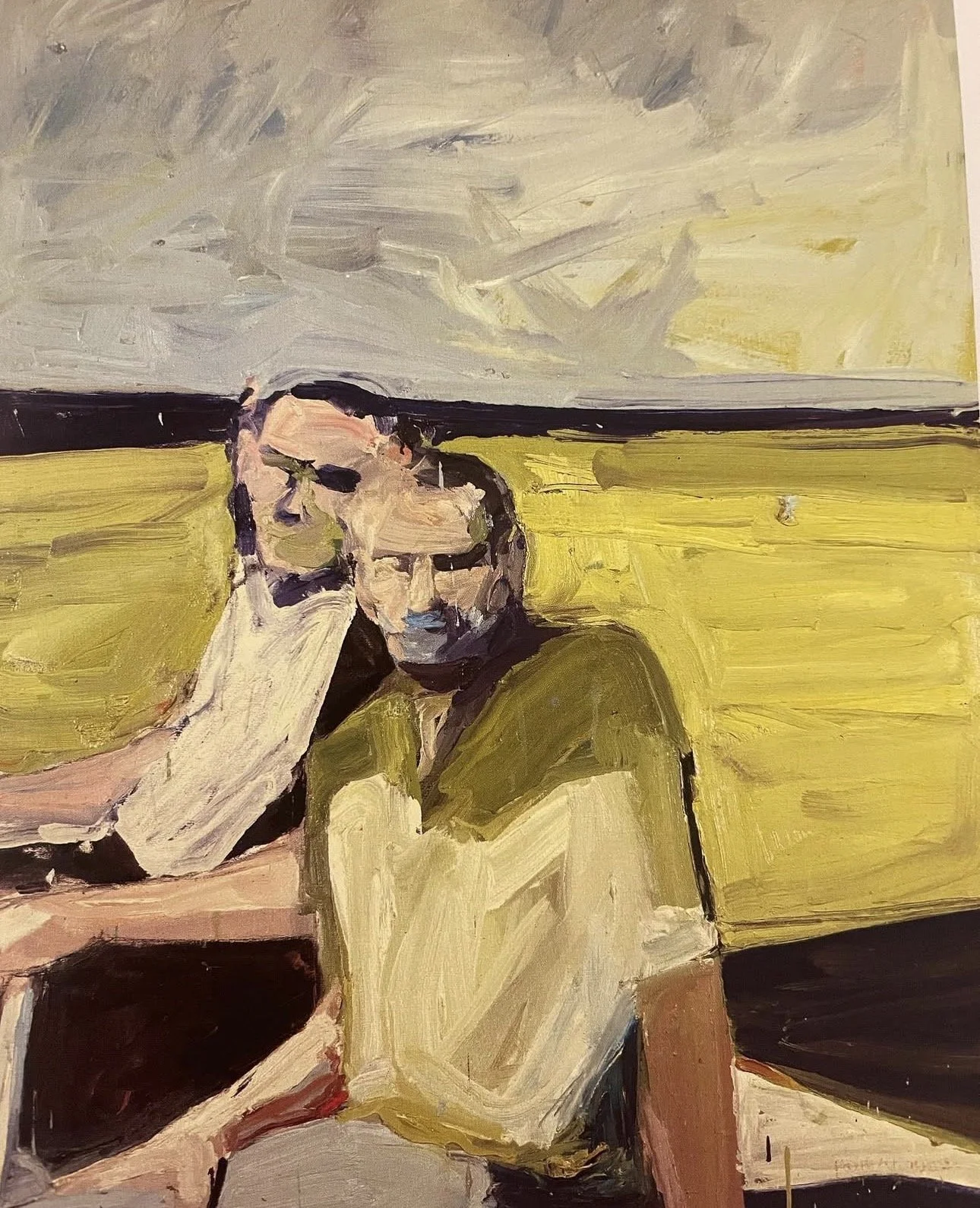
Paul Wonner, “Two Men at the Shore (1960)
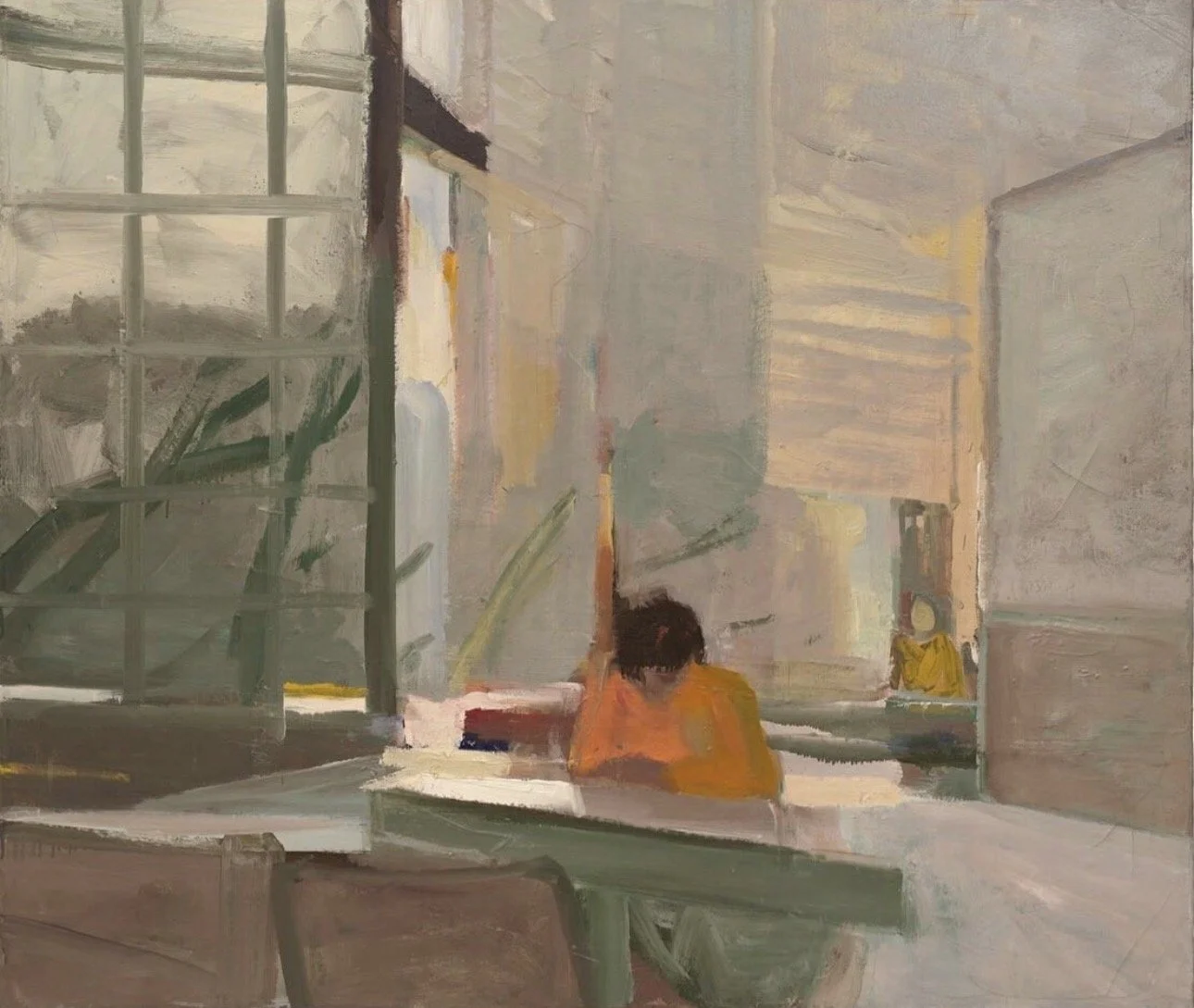
Elmer Bischoff, "Orange Sweater," (1955)
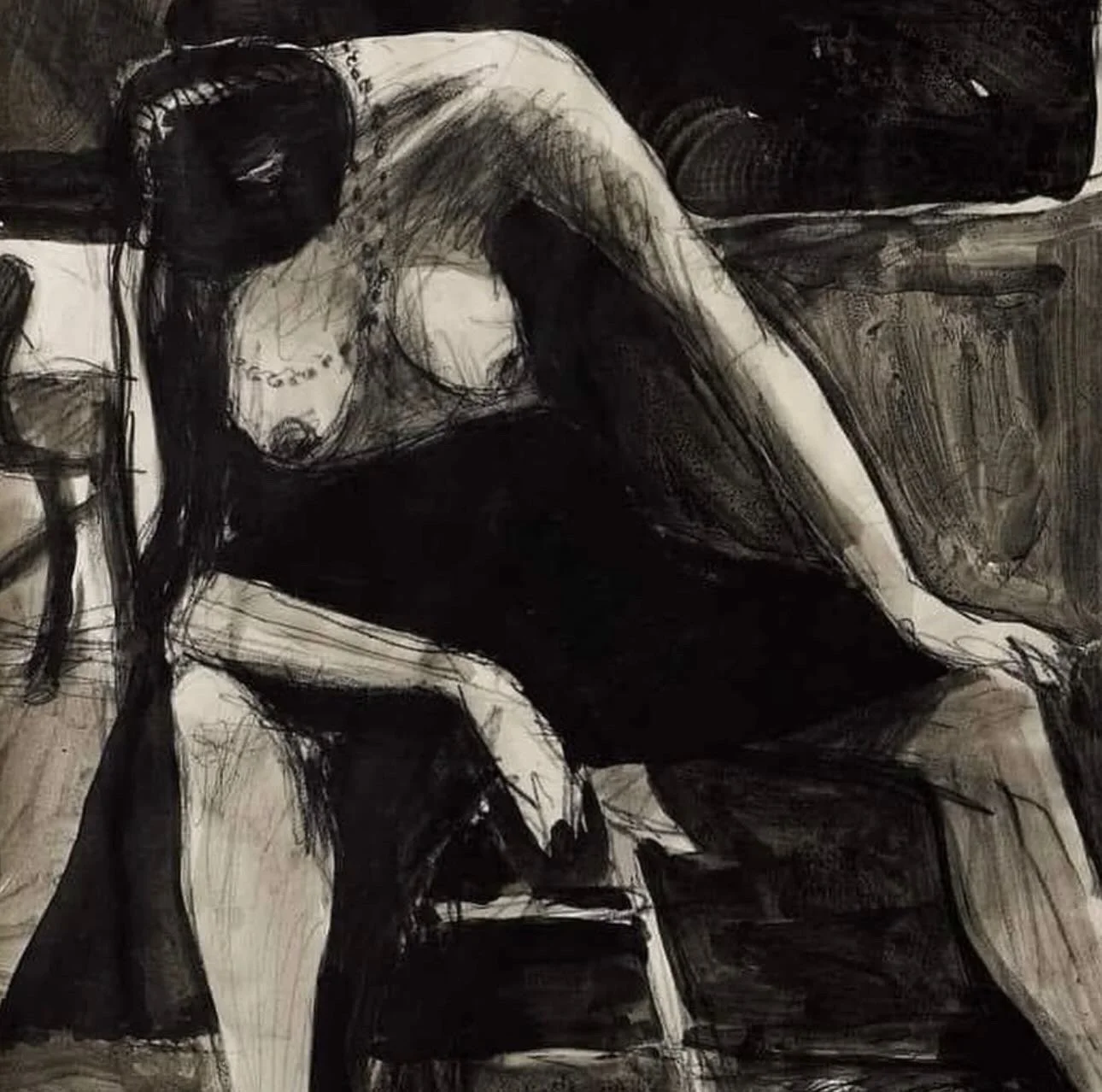
Richard Diebenkorn, “Seated Figure” (1964)
Richard Diebenkorn , “Girl Looking at Landscape” (1959)
Sharon Paster, “Manet at the Beach” (2025)
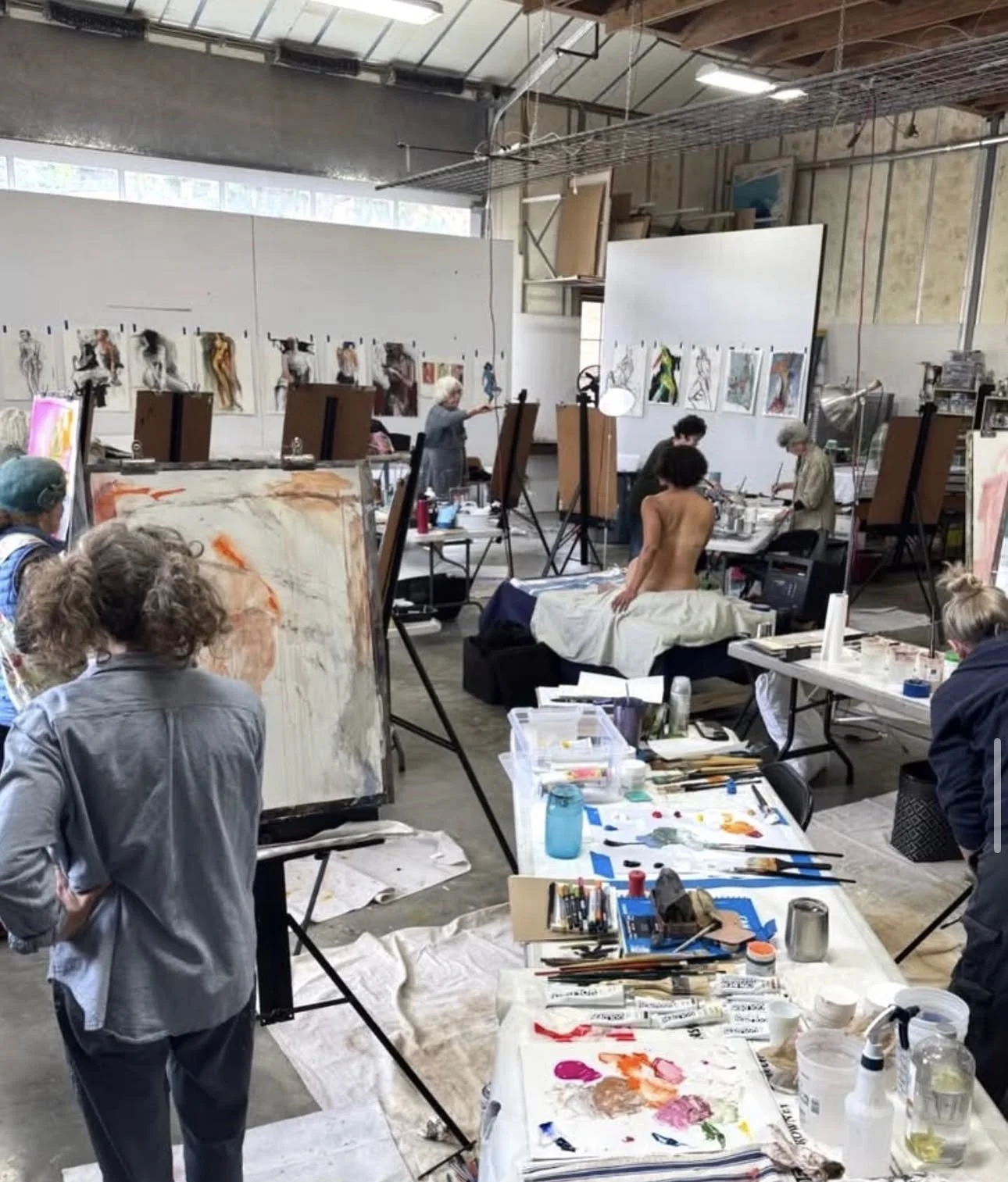
Willow Pond Studio, Figurative Painting workshop with David Limrite (2024)
Figurative Expressionism emerged in the United States, particularly in Boston and New York during the 1930’s-60’s. The Bay Area Figurative Movement of the 1950’s evolved in Northern California with prominent Abstract Expressionists like David Park, Richard Diebenkorn, and Elmer Bischoff. Their works shifted away from Abstract Expressionism and pivoted back to the figure, applying their gestural styles to everyday scenes as artists began to reintroduce the human figure and recognizable subject matter into their work. This style and fusion was made distinctive by the expressive brushwork and bold and interesting color fields which were typical of modern abstraction. These artists began to reintroduce the human figure and recognizable subject matter into their work while retaining the expressive brushwork and color fields typical of abstraction.
David Park is often considered the founder of the movement. Park broke from pure abstraction in the late 1940’s and Berkley native, Elmer Bischoff’s paintings explored moody, atmospheric figurative compositions and would be considered a second-generation Bay Area figurative artist. Bischoff ended up teaching at San Francisco’s California School of Fine Arts where the movement began, where he soon met David Park and Richard Diebenkorn.
The late artist, Joan Brown, who tragically died in a gallery accident on a trip to India in 1990, was also part of the "second generation" of the Bay Area Figurative Movement. Brown’s large scale, high key self-portraits, pets, animals, and scenes inspired by her own life in California. Paul Wonner (1920-2008) had an impressive painting career spanning six decades. His work had a looser style, certain paintings spoke to a figurative representation of coming out as a gay man and he was considered one of the “bridge movement' painters.
A couple of Willow Pond artists have first hand stories about their time studying under Joan Brown and Elmer Biscoff at UC Berkely or living in the same Santa Monica neighborhood as Richard Diebenkorn, famous for his “Ocean Park” series.
In this movement, artists tend to focus their subjects on the human figure while blending abstract techniques with representational imagery. Works often featured bold, expressive strokes and vibrant color palettes, and many artists depicted friends, family, Bay Area landscapes, and scenes from everyday life. Richard Diebenkorn moved between abstraction and figuration, and later became known for his “Ocean Park” series.
Sharon Paster is a Bay Area figurative artist considered the “third generation” artist of this movement, and her work can be found at the Sausalito Center for the Arts. Her figurative paintings of beach scenes and people, as well as landscapes and river rocks. The Bay Area Figurative Movement reinvigorated interest in figurative painting and influenced generations of artists in California and beyond. Its unique blend of abstraction and representation remains celebrated in American art history.
This fall, we welcome back a third-generation CA figurative artist, David Limrite, to the studio his Expressive Figure workshop, on October 3rd-6th. Limrites workshop is so popular, that he’s back for a third time. David’s workshop invites a wide range of artist ability and style, each free to play with ther own figurative abstracton. Artists will working from live professional models in a creatively charged studio environment and surrounded by the golden, scenic landscape of Edna Valley in the autumn.