The Return to Figuration

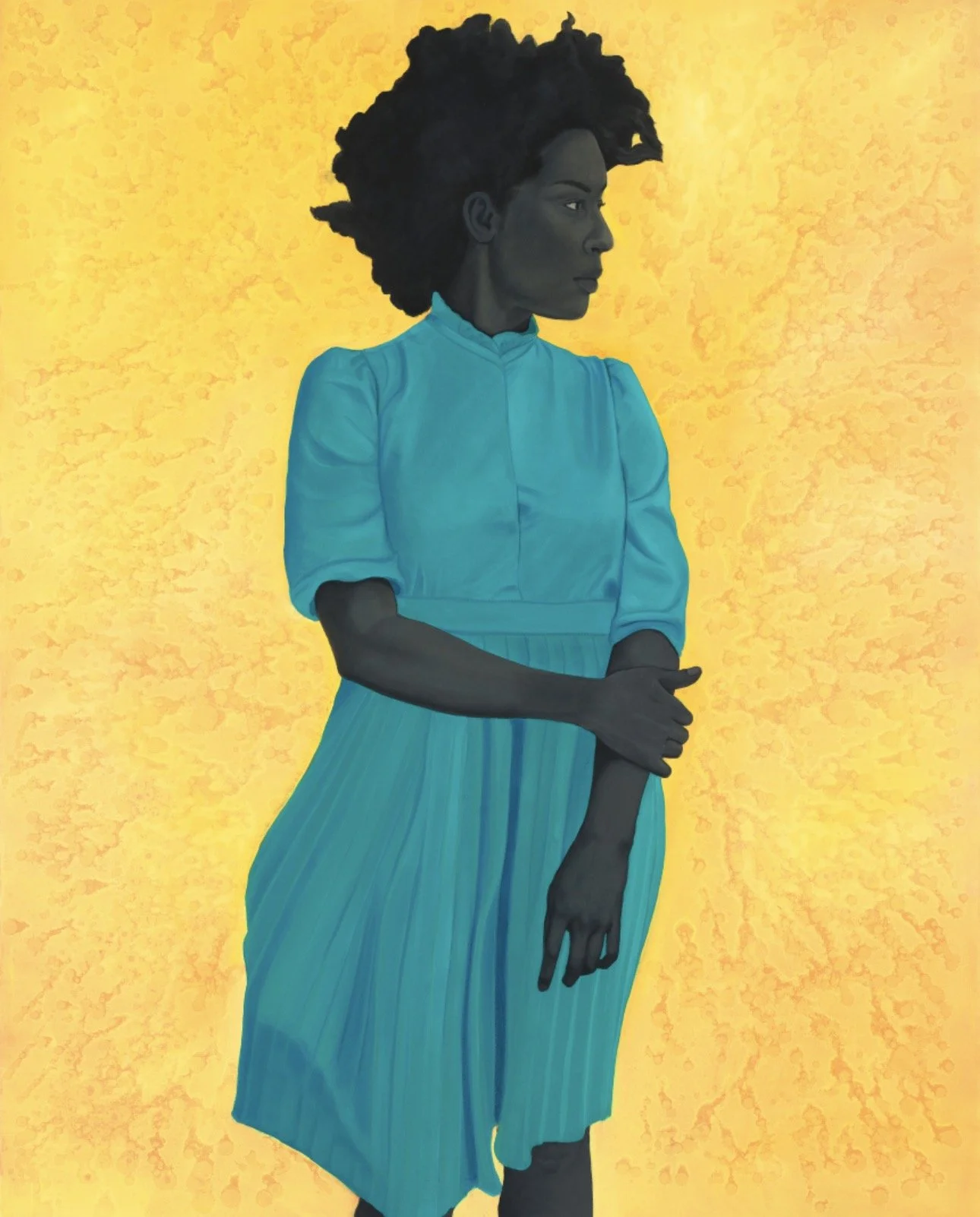

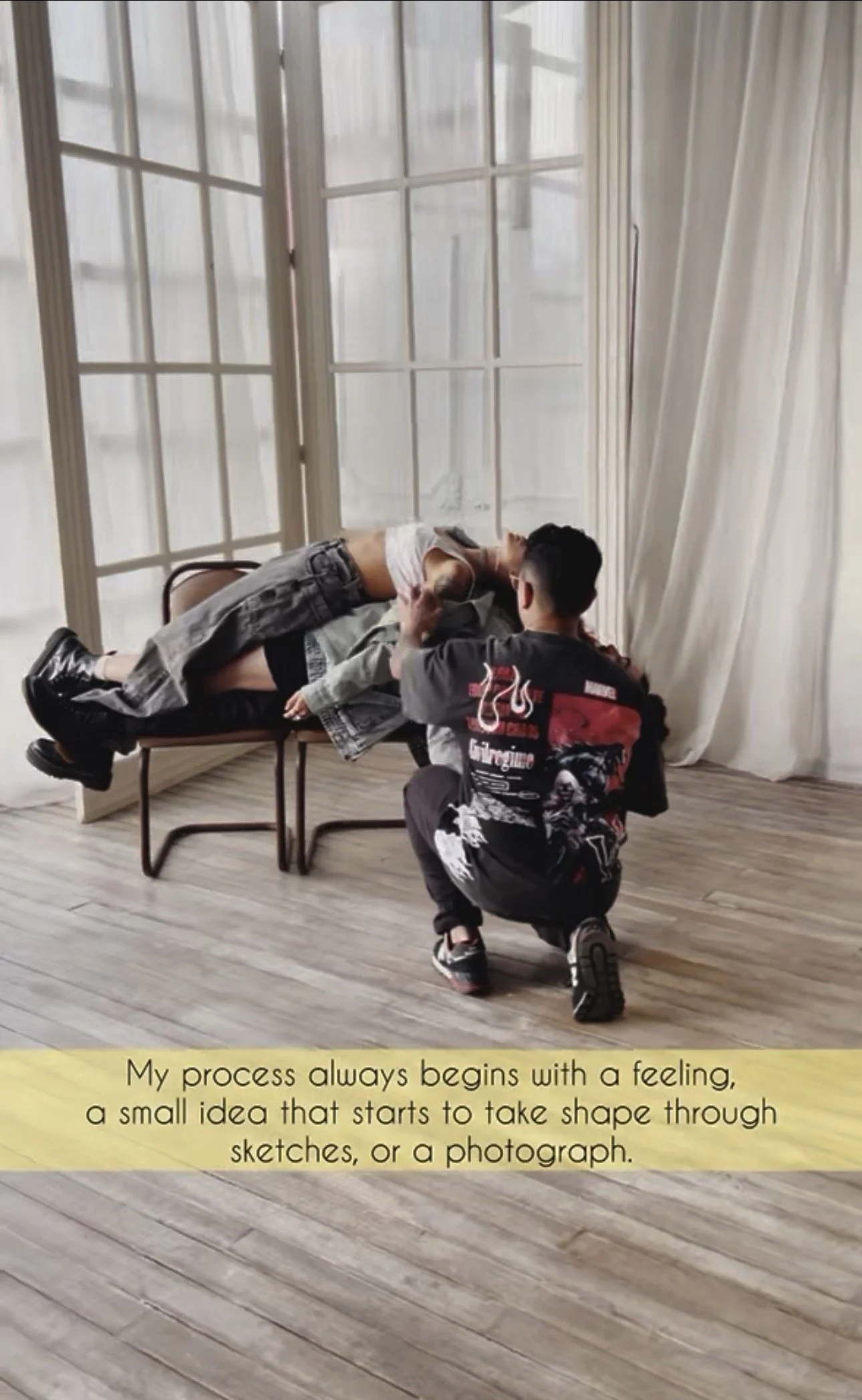

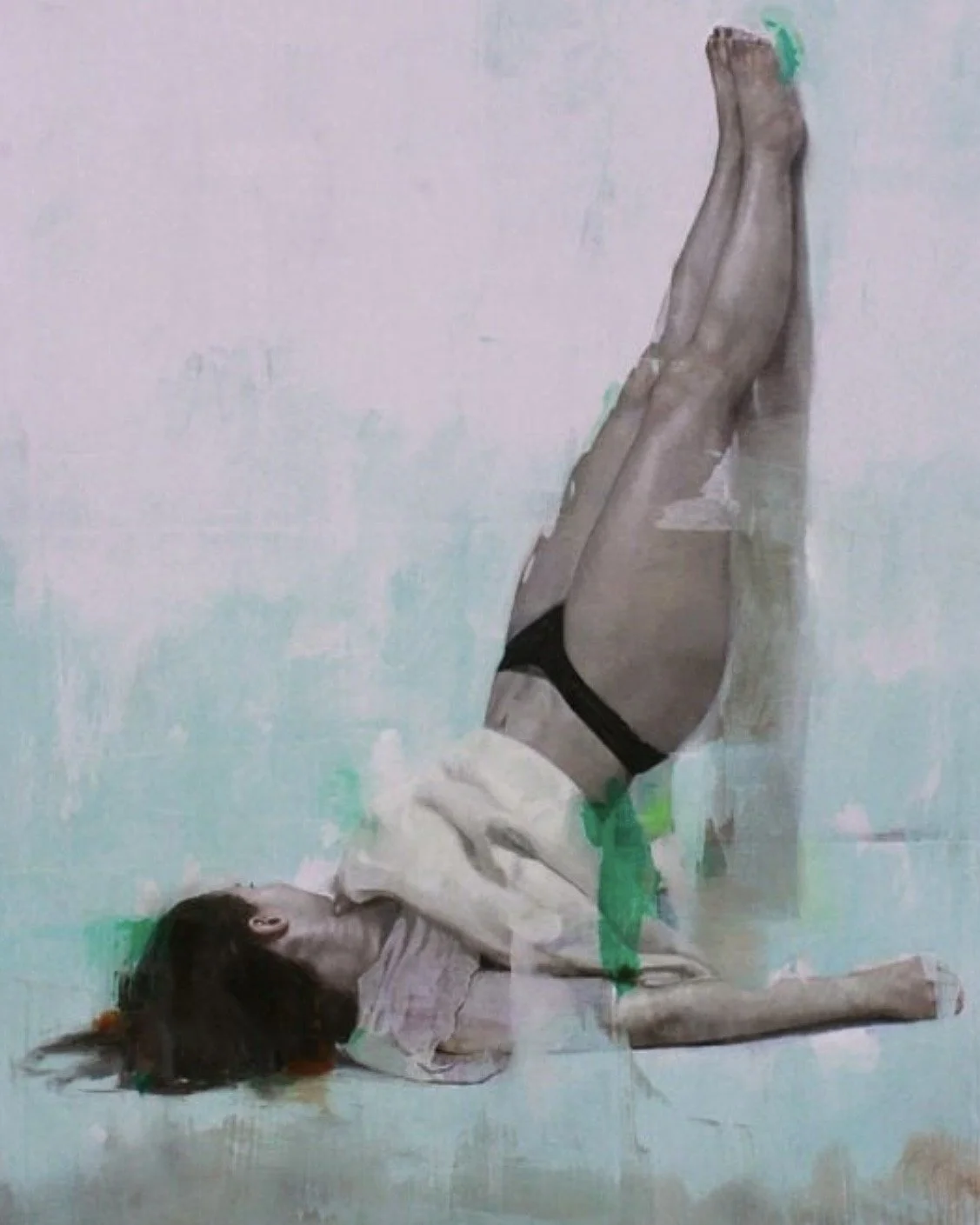
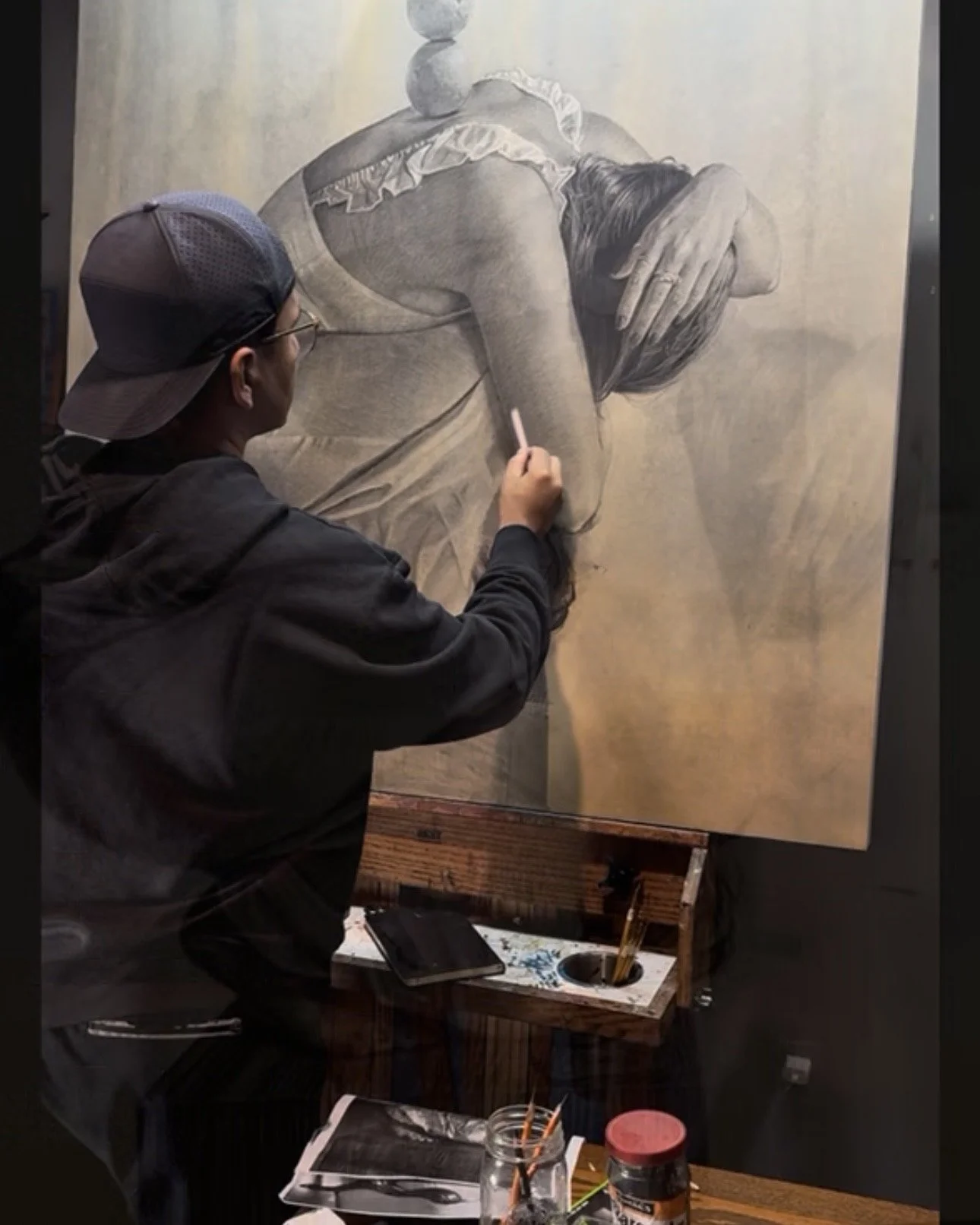
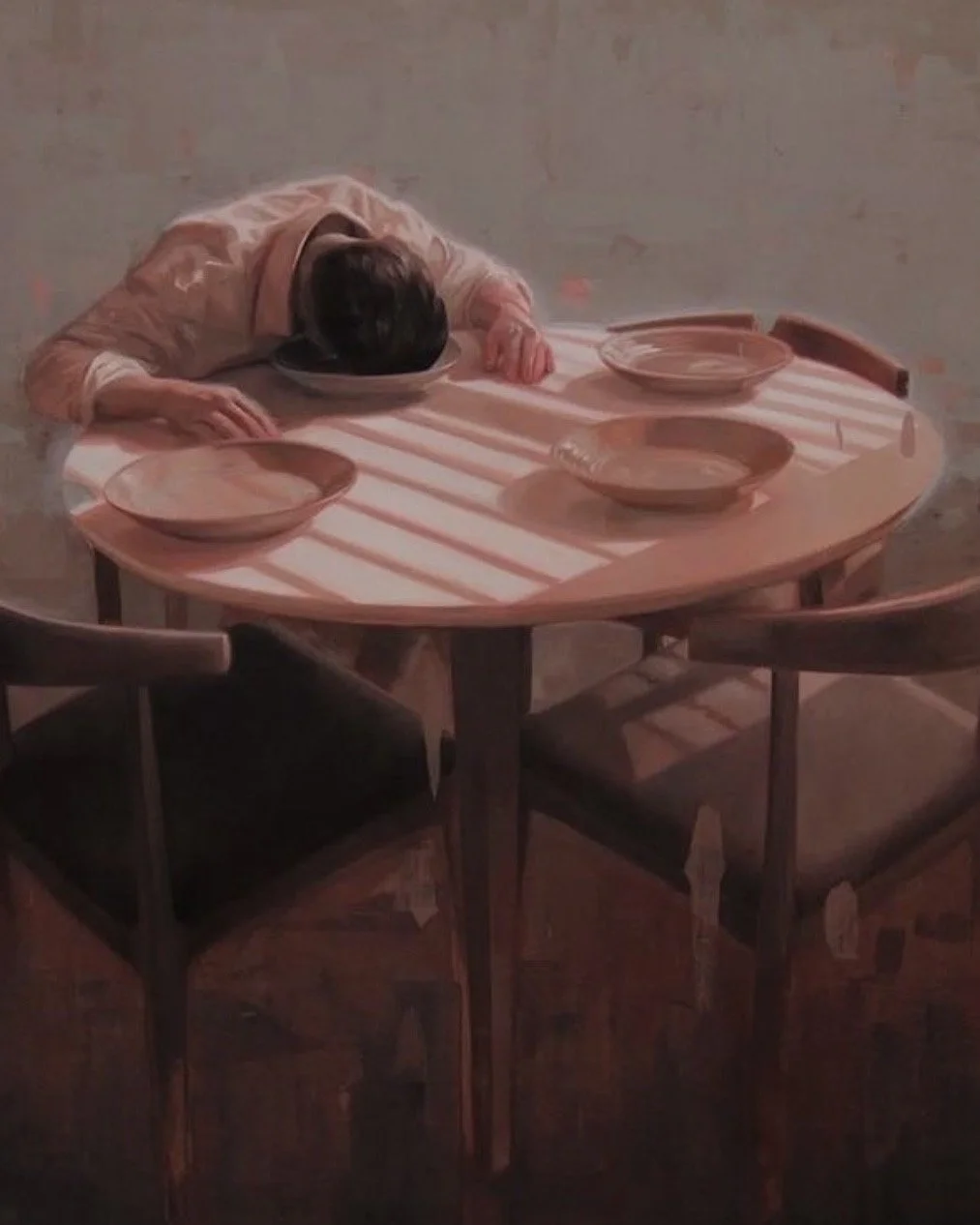
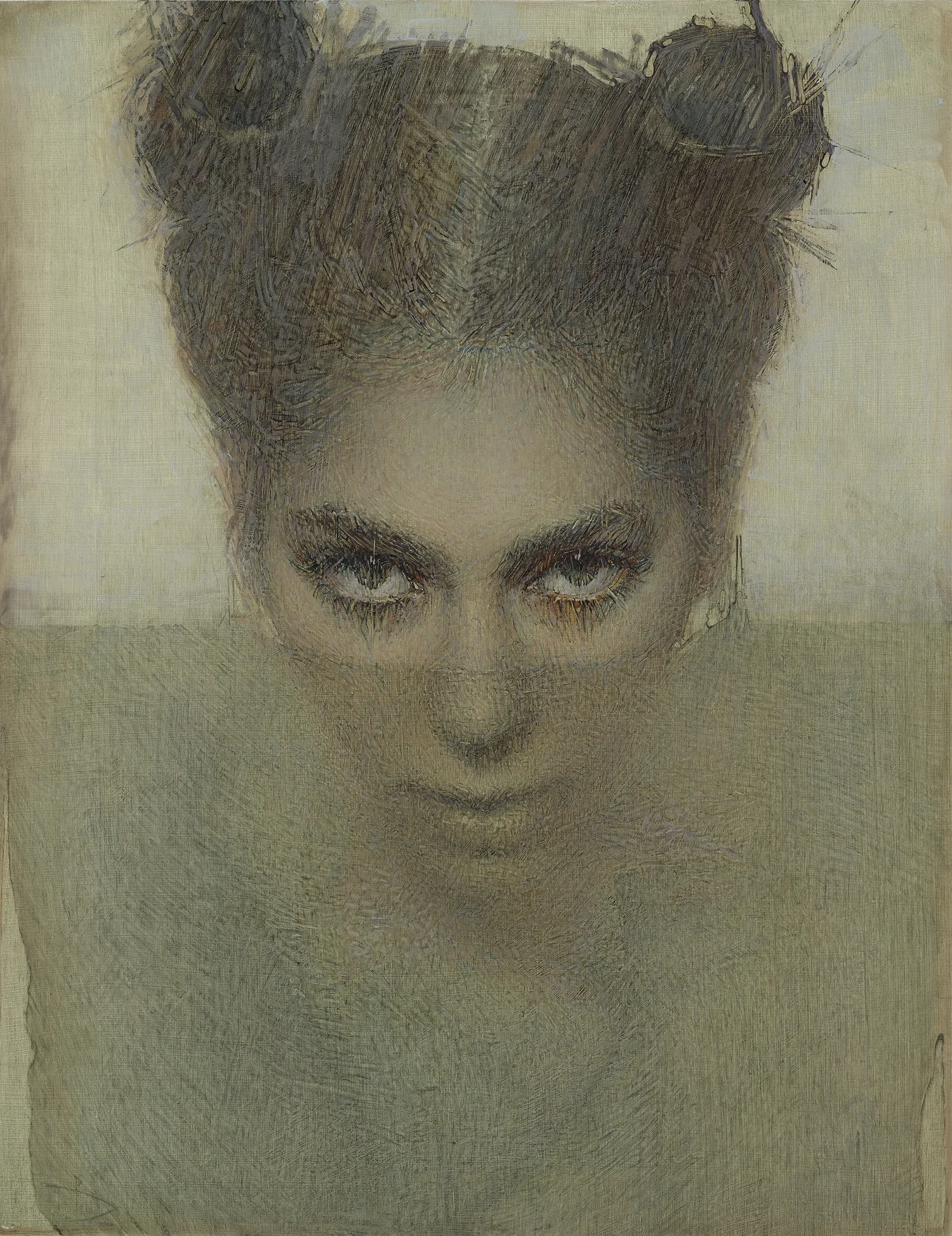

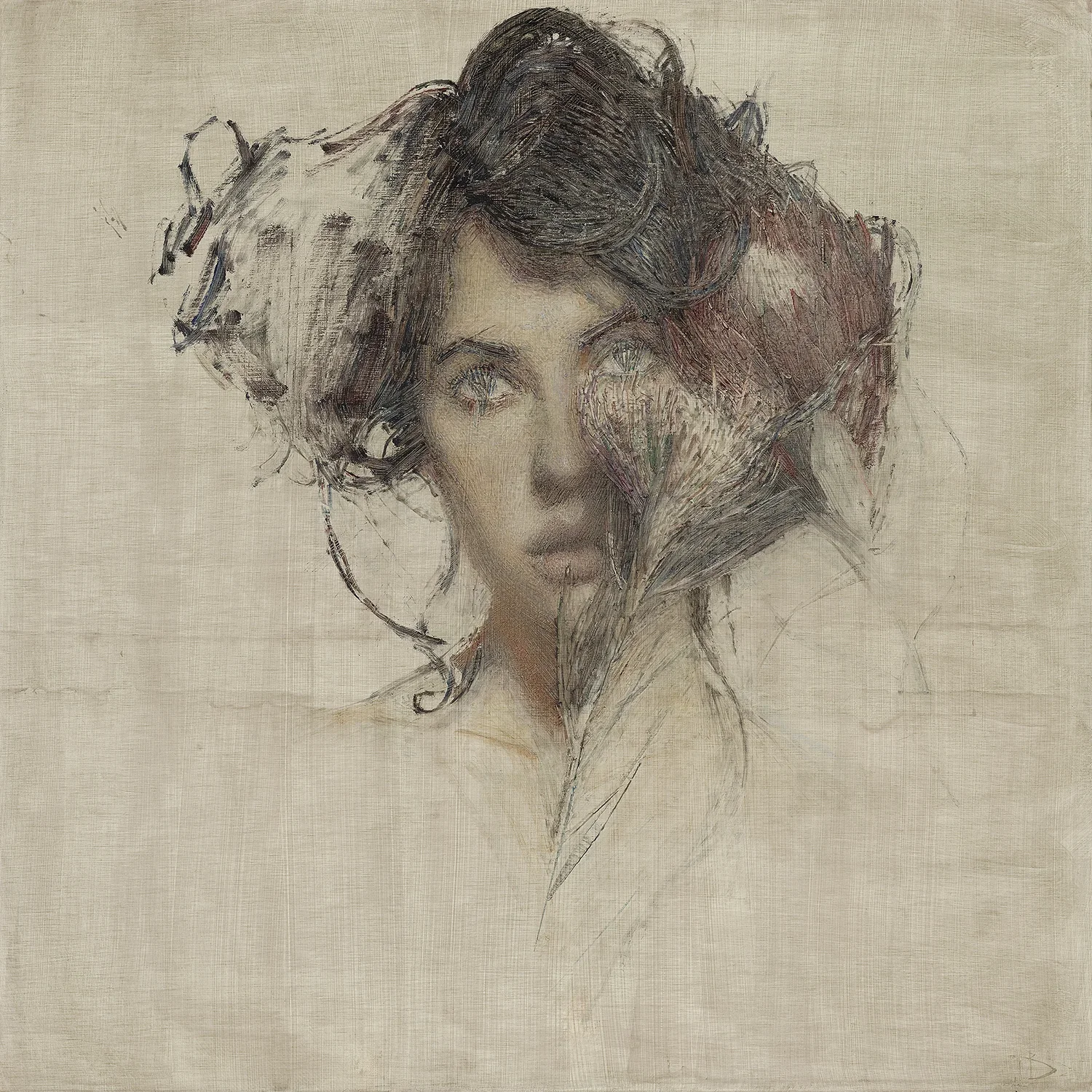
Images: 1 &2 (works by Amy Sherald), 3: Photo of Amy Sherald, Images 4-8 (works by Johan Barrios), Images 9-11: (works by Daniel Bilmes)
Figurative oil painting is a captivating art form that celebrates the human figure while intertwining diverse themes and narratives. Contemporary figurative oil painting has seen a significant resurgence in recent years, as artists explore the human form through diverse cultural lenses and innovative techniques.
At its core, figurative painting merges traditional methods passed down from historical masters with contemporary ideas that challenge conventional notions of identity, societal issues, and personal storytelling. The human body becomes more than just a subject; it transforms into a powerful medium for expressing deep emotions and social critiques. Artists often use the human figure not just as a subject but as a vehicle to express feelings, social commentary, or personal stories.
We look forward to two incredible figurative oil painters at Willow Pond next season: Colombian artist Johan Barrios (@johanbarrios), with his atmospheric backgrounds and surrealist postures, and LA artist Daniel Bilmes (@bilmesart), who skillfully plays at the intersection of realism, symbolism, and abstraction. Their contributions, alongside the impactful works of artists such as the American realist, Amy Sherald (@asherald), highlight the vibrant dialogue within this field and the ongoing evolution of figurative art. Sherald’s portraits are deeply expressive, with monochromatic flat backgrounds and confronting yet noble gazes that capture aspects of identity, culture, and personal narrative through meticulous attention to detail and striking visual elements. In addition to her portraits, Sherald's work often explores the complexities of African American identity, typically depicting Black Americans at work or surrounded by their livelihoods, rendered in bright, vibrant colors. Her work challenges the historical context of race in the U.S and invites a broader conversation about inclusion and representation in art. Sherald has received several prestigious awards and honors, further solidifying her role as a progressive voice in contemporary art.
ArtYou Gallery (2025) writes in an article titled, The Return of Figurative Art: Between Neo-Academicism and Disguised Avant-Garde. Medium.com
“Where the Academy sought to immortalize ideals, these artists aim to inscribe themselves in contemporary history. Thus, there is subversion rather than submission, and if there is any “academicism,” it is a critical one, even avant-garde. Steven Assael, for instance, employs techniques reminiscent of the old masters but uses them to depict marginalized figures, tattooed and marked individuals who defy conformity. In his work, the nobility of the gesture embraces the subject's fragility. The effect is striking: technique becomes a language of recognition, a silent tribute to the invisible.”
Reference
Artyou Gallery (2025, April 1). The Return of Figurative Art: Between Neo-Academicism and Disguised Avant-Garde. Medium.com. https://medium.com/@art4you.gallery/the-return-of-figurative-art-between-neo-academicism-and-disguised-avant-garde-9c55fc0c3428